The popularity of Labubu figures has exploded across the global collectibles market, leading to a growing demand for limited-edition releases, blind boxes, and special collaborations. As interest has increased, counterfeit products have also become more common. Many collectors now search for information about “ququ labubu real vs fake” because fake versions are widely sold through online marketplaces, social media stores, and unofficial sellers. Understanding how to identify authentic Labubu figures has become essential for anyone who wants to build a genuine collection.
ququ labubu real vs fake is a beloved character from The Monsters series created by artist Kasing Lung and produced through official collaborations with Pop Mart. The character’s distinctive appearance, playful expressions, and collectible appeal have attracted fans worldwide. However, counterfeit manufacturers have attempted to capitalize on this popularity by producing imitation figures that often look convincing at first glance. These replicas are frequently marketed using similar product photos, packaging styles, and descriptions, making it difficult for inexperienced buyers to distinguish between authentic and fake products.
This guide explores every ququ labubu real vs fake major detail collectors should know when comparing real and fake Ququ Labubu figures. By understanding packaging quality, manufacturing details, authentication features, pricing patterns, and seller credibility, buyers can make informed purchasing decisions and protect themselves from counterfeit products.
Understanding the Growing Problem of Fake Labubu Figures
The rapid rise of Labubu collectibles has created a thriving secondary market where rare figures can sell for significantly higher prices than their original retail value. Whenever a collectible brand gains popularity, counterfeit manufacturers often enter the market to exploit consumer demand. This trend has become increasingly visible with Labubu figures, especially limited-edition releases that are difficult to obtain through official channels.
Many fake Labubu figures are produced using low-cost manufacturing methods that imitate the appearance of genuine products. Some counterfeits are obvious due to poor quality, while others are sophisticated enough to confuse new collectors. Sellers may use official promotional images while shipping counterfeit items that differ substantially from what buyers expect to receive.
The term “Ququ Labubu” is often associated with online searches related to authenticity checks. Collectors frequently compare product details, packaging images, and seller information before purchasing. As counterfeit production improves, learning authentication techniques becomes increasingly important for protecting both financial investments and collection quality.
The Origins of Authentic Labubu Collectibles
To understand how to identify fake ququ labubu real vs fake products, it is helpful to first understand what authentic Labubu figures represent. Labubu originated from The Monsters universe created by renowned artist Kasing Lung. The character gained worldwide recognition through official partnerships with Pop Mart, one of the leading designer toy companies in the collectible art toy industry.
Authentic Labubu figures are manufactured according to strict production standards. Every release undergoes quality control procedures that ensure consistency in sculpting, paint application, packaging, and branding. Official products are distributed through authorized retail channels, including Pop Mart stores, verified online platforms, and approved distributors.
Each genuine release reflects careful artistic design and manufacturing precision. From facial expressions and color accuracy to packaging materials and logos, authentic Labubu figures demonstrate a level of craftsmanship that counterfeit manufacturers often struggle to replicate accurately. Understanding these standards provides a foundation for recognizing warning signs when examining potential purchases.
Packaging Differences Between Real and Fake Labubu
Packaging is one of the most important indicators when determining whether a Labubu figure is authentic. Genuine Labubu products typically feature high-quality printing with sharp images, accurate colors, and clearly defined text. The box materials feel sturdy and professionally manufactured, reflecting the premium nature of the collectible.
Counterfeit packaging often reveals inconsistencies upon close inspection. Colors may appear faded, overly bright, or slightly different from official releases. Text can contain spelling errors, unusual fonts, blurry printing, or incorrect spacing. Some fake boxes may use lower-quality cardboard that feels thinner and less durable than official packaging.
Collectors should also examine logos, trademarks, and branding elements carefully. Authentic products usually display consistent logo placement and professional finishing throughout the box. Counterfeit versions may have slight variations in logo size, positioning, or print quality. Even minor discrepancies can serve as valuable clues when evaluating authenticity.
Examining Figure Quality and Craftsmanship
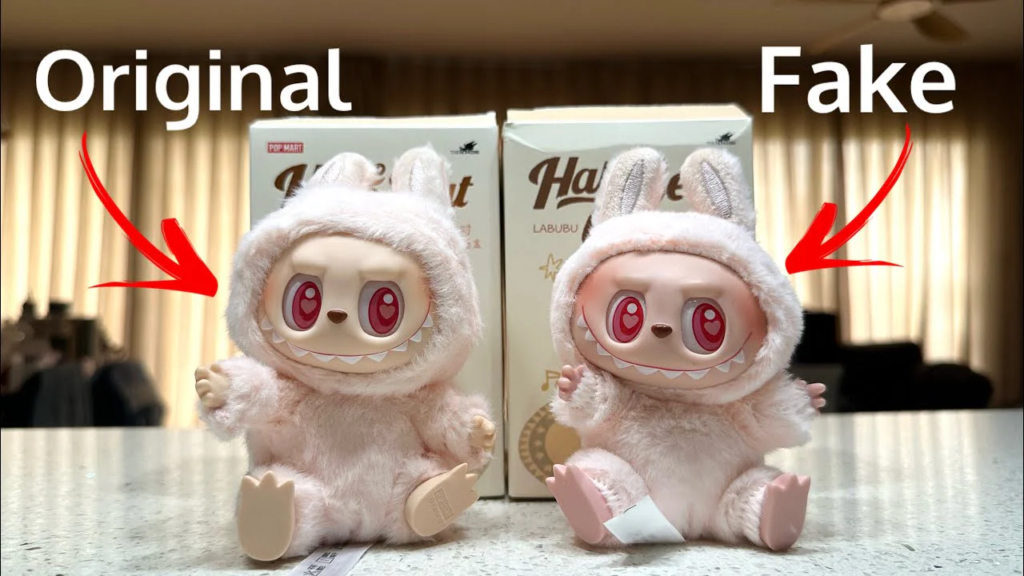
The physical quality of the figure itself often provides ququ labubu real vs fake the clearest distinction between real and fake Labubu products. Authentic figures feature precise sculpting, smooth surfaces, balanced proportions, and carefully applied paint. Every detail of the character’s design is reproduced accurately according to the original artistic specifications.
Fake Labubu figures frequently exhibit manufacturing flaws that become noticeable upon closer examination. Paint may appear uneven, colors may be inaccurate, and facial details can lack precision. Some counterfeit figures show visible mold lines, rough edges, poorly finished joints, or inconsistent textures that are rarely found on authentic products.
Weight and material quality can also provide useful clues. Genuine figures generally feel solid and well-constructed because they are produced using quality materials. Counterfeit ququ labubu real vs fake versions sometimes feel lighter, cheaper, or less durable. Comparing a suspected figure with verified authentic images can help collectors identify subtle differences in sculpting and finish quality.
QR Codes, Authentication Labels, and Security Features
Modern collectible manufacturers increasingly rely on security measures to combat counterfeiting, and Labubu products are no exception. Many recent releases include authentication labels, QR codes, serial markings, or other verification features designed to help buyers confirm authenticity.
When examining a Labubu figure, collectors should inspect any QR codes or security stickers carefully. Authentic codes generally function properly and may direct users to official verification systems or product information. Counterfeit products sometimes include fake QR codes that do not work correctly or redirect users to unrelated websites.
Security labels should also display high-quality printing and ququ labubu real vs fake professional application. Fake products may feature poorly reproduced holograms, misaligned stickers, or missing authentication elements. While authentication systems may vary across releases and regions, the presence and quality of these security features remain important considerations during the verification process.
Price Clues That Can Reveal a Counterfeit Product
Price is another factor that can help buyers assess ququ labubu real vs fake authenticity. While everyone hopes to find a bargain, extremely low prices often indicate a potential problem. Authentic Labubu figures, particularly rare editions and popular releases, tend to maintain strong market value due to collector demand.
Counterfeit sellers frequently attract buyers by offering ququ labubu real vs fake products at prices far below standard retail or secondary market rates. A limited-edition figure selling for a fraction of its usual value should raise immediate concerns. Although occasional discounts and promotions exist, dramatically reduced prices often suggest that a product may not be genuine.
Collectors should research average market prices before making a purchase. Understanding typical pricing trends helps identify offers that appear suspiciously cheap. When combined with other warning signs such as questionable packaging or unreliable sellers, unusual pricing can become a strong indicator of counterfeit merchandise.
How Seller Reputation Affects Authenticity
The seller is often just as important as the product ququ labubu real vs fake itself when purchasing Labubu collectibles. Reputable sellers typically provide detailed descriptions, clear photographs, authenticity guarantees, and responsive customer service. They understand collector concerns and are usually willing to answer questions regarding product origin and condition.
Unverified sellers may offer limited information, use stock images exclusively, or avoid providing close-up photos of packaging and authentication features. Some counterfeit sellers create listings that appear professional while concealing important details that could reveal product inconsistencies.
Checking customer reviews, transaction history, and marketplace ratings can significantly reduce purchasing risks. Established sellers with positive feedback and a track record of successful collectible transactions are generally safer choices than newly created accounts with little or no sales history.
Common Warning Signs Found in Fake Labubu Figures
Many counterfeit Labubu figures share ququ labubu real vs fake recurring characteristics that collectors learn to recognize over time. Packaging inconsistencies, unusual odors, poor paint quality, and incorrect color schemes are among the most commonly reported issues. These signs may appear individually or in combination depending on the quality of the counterfeit.
Facial features often provide particularly useful clues. Authentic Labubu expressions are carefully designed and consistently reproduced. Fake versions may display eyes, teeth, ears, or facial proportions that appear slightly different from official reference images. Even small inaccuracies can indicate unauthorized production.
Another warning sign involves missing accessories ququ labubu real vs fake or incorrect packaging contents. Genuine releases generally include all advertised components and documentation. Counterfeit products may omit accessories, include poorly made substitutes, or package items incorrectly. Careful comparison with official product photographs can help identify such discrepancies.
Why Collectors Prefer Genuine Labubu Figures
Authentic Labubu figures hold greater value for collectors because they represent the original artistic vision and official production standards. Genuine products typically maintain stronger resale value and are more likely to appreciate over time, particularly when they belong to limited releases or sought-after collections.
Collectors also appreciate the superior craftsmanship associated with official figures. The quality of sculpting, painting, packaging, and presentation contributes significantly to the overall collecting experience. Counterfeit products rarely achieve the same level of detail and consistency found in authentic releases.
Supporting official products benefits the artists, designers, and companies responsible for creating these collectibles. Purchasing authentic figures helps sustain future releases and encourages continued innovation within the designer toy industry. For serious collectors, authenticity is often considered a fundamental part of the hobby.
Best Practices for Buying Authentic Labubu Figures
The most effective way to avoid counterfeit ququ labubu real vs fake figures is to purchase through trusted sources. Official retailers, authorized distributors, and reputable collectible marketplaces generally offer greater protection than unknown sellers operating through unverified channels. Buyers should always research both the product and seller before completing a transaction.
Requesting detailed photographs can provide valuable insight when purchasing from secondary markets. Close-up images of packaging, authentication labels, figure details, and accessories allow collectors to compare products against official references. Taking time to verify authenticity before buying is often easier than resolving disputes afterward.
As the popularity of Labubu continues to grow, counterfeit products will likely remain a challenge for collectors. By understanding packaging characteristics, manufacturing quality, authentication features, pricing patterns, and seller credibility, buyers can make informed decisions with greater confidence. Careful evaluation and patience remain the most reliable tools for distinguishing real Ququ Labubu figures from fake imitations and building a collection that retains both value and authenticity.