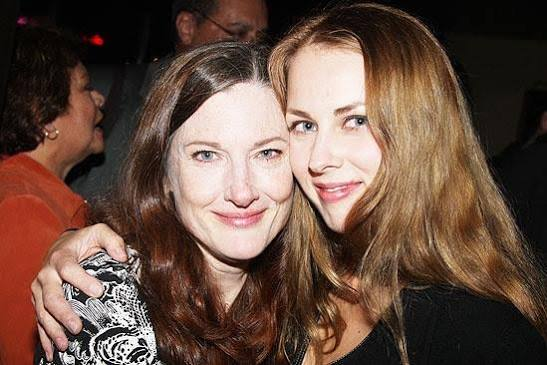
Dame Esther Rantzen is one of the most recognisable figures in British television and journalism. Over a career spanning more than five decades, she became famous as the presenter of the BBC consumer and human-interest programme That’s Life! while also developing a reputation as a determined campaigner for vulnerable people. Her influence, however, extends far beyond television. She founded Childline in 1986 and later established The Silver Line, a service created to help older people experiencing loneliness and isolation.
Born dame esther rantzen, on 22 June 1940 in Berkhamsted, Hertfordshire, she entered broadcasting at a time when women were often given less creative responsibility than men. She eventually became a pioneering television producer, journalist and presenter, breaking new ground in factual entertainment and public-interest broadcasting. Her career has combined humour, investigative journalism, emotional storytelling and social campaigning in a way that has made her particularly distinctive in British media.
In recent years, Dame Esther Rantzen has also attracted considerable public attention because of her terminal cancer diagnosis and her outspoken support for assisted dying reform. Her personal circumstances have brought a new dimension to a life already defined by advocacy, resilience and public service. As of 2026, she remains an important figure in conversations about broadcasting, loneliness, children’s welfare, end-of-life choices and the treatment of vulnerable people.
Early Life and Education of Dame Esther Rantzen
Esther Rantzen was born on 22 June 1940 in Berkhamsted, Hertfordshire, during the Second World War. She grew up in a family environment that encouraged education and intellectual curiosity. She later attended Somerville College at the University of Oxford, where she became involved in theatre and performance. Her university experience helped develop the communication and presentation skills that would later become central to her broadcasting career. dame esther rantzen.
Her route into television was not entirely straightforward. In her early BBC career, she worked in production roles and gained experience behind the scenes before becoming one of Britain’s best-known presenters. In a 2026 interview reflecting on her early career, Rantzen recalled that she was initially recruited by the BBC while she was in her final year at Oxford. She had experience producing, directing, writing and performing, but found the technical role she was initially given less suitable to her abilities. dame esther rantzen.
The broadcasting environment Rantzen entered was very different from today’s media industry. Women were frequently expected to work as researchers or assistants rather than being given major creative authority. Rantzen gradually challenged those expectations through her production work and journalism. Her career therefore became significant not only because of the programmes she presented but also because she helped demonstrate that women could occupy leading creative and editorial positions in British television. dame esther rantzen.
Dame Esther Rantzen and Her Television Career
Dame Esther Rantzen became nationally famous through That’s Life!, the BBC programme she presented from 1973 until 1994. The show combined consumer investigations, human-interest stories, public service information and humour. Its unusual mixture of serious reporting and entertaining presentation made it a major part of British television culture for more than two decades. dame esther rantzen.
That’s Life! also demonstrated Rantzen’s ability to communicate complicated or sensitive subjects to a mass audience. Rather than presenting every issue in a formal news style, the programme often used warmth, humour and personal stories to connect with viewers. This approach helped make consumer rights and social problems accessible to people who might otherwise have found traditional investigative journalism difficult to engage with. dame esther rantzen.
Her television work also included programmes such as Hearts of Gold, and she remained involved in broadcasting and public-interest journalism after That’s Life! ended. Her contribution to factual television was recognised through major professional honours. She received an OBE for services to broadcasting in 1991 and a CBE for services to children in 2006. In the 2015 New Year Honours, she was appointed Dame Commander of the Order of the British Empire for services to children and older people through her work with Childline and The Silver Line. dame esther rantzen.
Why Did Esther Rantzen Create Childline?
One of Dame Esther Rantzen’s greatest achievements was the creation of Childline. The service was launched in 1986 after she became increasingly concerned about children who were experiencing abuse, neglect, fear or other serious problems but had no safe way to talk about them. Childline created a confidential telephone service through which children could speak to trained counsellors about whatever was troubling them. dame esther rantzen.
The idea was revolutionary because it placed children themselves at the centre of the support system. Instead of expecting a child to approach a parent, teacher, police officer or another adult, Childline gave young people a dedicated place to seek help. The service has since developed far beyond its original telephone model, with children able to access support through online services as well. Childline confirms that it was started by Esther Rantzen in 1986 and became part of the NSPCC in 2006, helping it reach even more young people. dame esther rantzen.
Childline became one of the defining achievements of Rantzen’s life. Its significance is particularly clear because the service continues to provide free and confidential support to anyone under 19 in the UK. The organisation’s modern services include telephone support, messaging and one-to-one online counselling. This lasting impact shows how a television journalist’s concern about a social problem developed into a national institution that continues to support vulnerable young people decades later.
Esther Rantzen and The Silver Line
Rantzen’s commitment to helping vulnerable people did not stop with children. After experiencing loneliness herself, she became increasingly aware that many older people were living with isolation that was rarely discussed openly. In 2011, when she was 71, she publicly described her own experience of living alone and feeling lonely despite having a busy and active life. Her honesty prompted an extraordinary response from other older people who recognised their own experiences in her story.
This experience eventually led to the creation of The Silver Line, a telephone service designed specifically for older people. The Silver Line opened across the UK in November 2013 and provided friendship, conversation and support. The organisation later joined forces with Age UK, with The Silver Line becoming fully part of Age UK in 2022. Today, Age UK’s Silver Line Helpline continues to provide a free, confidential telephone service for people aged 55 and over, operating around the clock.
The story behind The Silver Line is particularly important because it shows how Rantzen transformed a personal experience into a wider social campaign. She understood that loneliness was not necessarily solved simply by having relatives nearby or being physically healthy. Someone could have a family, a home and a busy history yet still feel deeply isolated. Her work helped bring the issue of loneliness among older people into mainstream public discussion.
Dame Esther Rantzen Family and Personal Life
Dame Esther Rantzen was married to television producer Desmond Wilcox, whom she married in 1977. The couple had three children. Wilcox was himself an important figure in British broadcasting, and the pair shared a long connection with television and documentary production. He died in September 2000, an event that had a profound effect on Rantzen and her family.
Among her children is broadcaster and writer Rebecca Wilcox, who has become increasingly visible in discussions surrounding her mother’s health and assisted dying campaign. Rantzen has also spoken publicly about the experiences of her family, including the impact of serious illness and disability. These experiences contributed to her wider interest in healthcare, support services and the dignity of vulnerable people.
Family has remained particularly important to Rantzen during her later years. Her children and grandchildren have been a major source of companionship as she has dealt with serious illness. In a 2025 personal reflection, she described spending time with her children and grandchildren and preparing written stories from her life for them. This provides another perspective on Rantzen beyond her public career: that of a mother and grandmother conscious of preserving memories and passing them to the next generation.
Dame Esther Rantzen Health and Cancer Diagnosis
Dame Esther Rantzen’s health became a major subject of public attention in January 2023 when she revealed that she had lung cancer. Several months later, she announced that the cancer had reached stage four. Despite the seriousness of the diagnosis, she initially described herself as optimistic and began treatment with medication that gave her additional time.
Her health journey has been unusually public because Rantzen chose to speak openly about living with terminal cancer. In January 2026, she said that treatment had delayed the progression of her cancer for around three years, while also acknowledging that there was no cure for her condition. She also expressed hope about developments in lung cancer detection and treatment, demonstrating that her interest in public health remained strong despite her own circumstances.
By 2026, reports from her family indicated that she had reached a further stage in her illness. In June 2026, her daughter Rebecca Wilcox said that the family remained grateful that Rantzen was still alive and described every day as precious. The comments came shortly before Rantzen’s 86th birthday on 22 June. Because health information can change quickly, reports about her condition should be treated as time-sensitive rather than assumed to describe her situation indefinitely.
Esther Rantzen and the Assisted Dying Debate
Rantzen’s cancer diagnosis also influenced her position on assisted dying. She has become one of Britain’s most prominent public advocates for changing the law governing assisted dying for terminally ill adults. In 2023, she revealed that she had joined Dignitas, a Swiss organisation associated with assisted dying, explaining that she wanted to have a possible option if her illness became unbearable.
Her position has always been closely connected to her personal circumstances, but it has also become part of a much wider national debate. She has argued that terminally ill people should have greater control over how and where they die, while opponents of assisted dying have raised concerns about safeguards, pressure on vulnerable people and the potential consequences of changing the law. Rantzen’s public advocacy has therefore generated both strong support and significant disagreement.
The proposed Terminally Ill Adults (End of Life) Bill passed the House of Commons in June 2025 but later failed to complete its parliamentary journey in the House of Lords in April 2026. The proposed legislation would have created a framework for assisted dying in England and Wales for terminally ill adults meeting strict conditions. Rantzen’s daughter Rebecca Wilcox publicly criticised the failure of the bill, saying her mother had wished she could participate in the campaign in person but was too unwell to attend.
Dame Esther Rantzen’s Influence on British Society
The importance of Dame Esther Rantzen cannot be measured only by television ratings or awards. Her most enduring influence comes from the way she connected broadcasting with social action. That’s Life! gave her a national platform, but she used that platform to highlight issues affecting ordinary people. Childline then transformed her concern for children into a permanent support organisation, while The Silver Line extended her work to older people facing loneliness.
Her approach has also influenced how the public thinks about subjects that were once difficult to discuss. Child abuse, loneliness and end-of-life choices can all involve fear, shame or discomfort. Rantzen has repeatedly brought such subjects into public conversation using direct language and personal storytelling. That willingness to discuss uncomfortable issues is one reason she remains relevant even as the television landscape has changed dramatically.
Her legacy also illustrates the relationship between journalism and public service. A broadcaster can entertain audiences while also drawing attention to problems that require action. Rantzen’s career demonstrates that television personalities can have an impact outside entertainment when they use public recognition responsibly. Her charitable work, particularly through Childline and The Silver Line, has affected generations of people across the United Kingdom.

Dame Esther Rantzen Legacy and Conclusion
dame esther rantzen, life and career represent an unusual combination of television success, investigative journalism and long-term social campaigning. From her early BBC years to her two-decade association with That’s Life!, she became a familiar face in British homes. Yet her greatest achievements came when she moved beyond the television studio and created practical services for people who were often overlooked.
Childline remains perhaps her most important contribution to British society. Founded in 1986, it created a trusted route for children to ask for help and has continued evolving with changing technology and the needs of young people. The Silver Line similarly grew from Rantzen’s personal experience of loneliness into a national service for older people. Both organisations reflect the same basic principle that shaped much of her public work: people need somewhere safe to turn when they feel frightened, isolated or unheard.
As of 2026, Dame Esther Rantzen’s story is also shaped by her terminal illness and her campaign for assisted dying reform. Whatever one’s position on that controversial issue, her willingness to discuss mortality publicly has contributed to an important national conversation. Her career ultimately leaves behind more than famous television programmes or honours. It leaves institutions, campaigns and ideas that have helped vulnerable people find support. For that reason, Esther Rantzen remains a significant figure in British broadcasting and social history, with a legacy that extends well beyond the screen.