Introduction
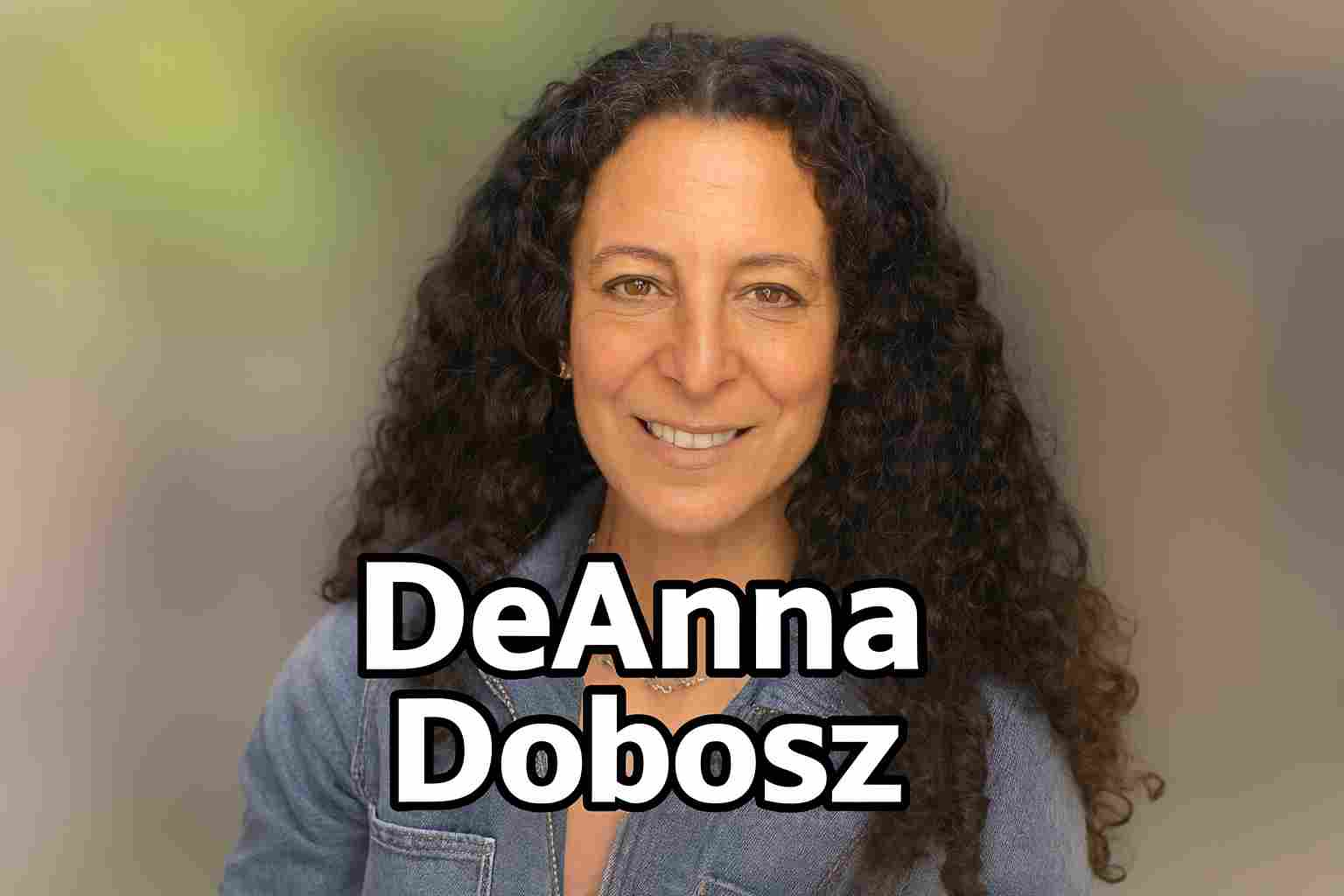
Deanna Dobosz appears in various scattered online contexts, but there is no widely consolidated public biography or verified public profile that clearly defines a single well-documented individual under this . This is increasingly common in the modern digital world, where many exist across professional, personal, and administrative spaces without forming a unified public identity.
deanna dobosz In many cases, individuals may appear in workplace directories, social platforms, or incidental online references without being public figures. As a result, understanding like Deanna Dobosz requires a broader look at how digital identity works, how information is distributed online, and why some individuals remain largely outside public visibility.
Understanding Modern Digital Identity
What Defines an Online Identity Today?
In the digital age, a person’s identity is often shaped by multiple fragmented sources such as:
- Professional networking platforms
- Workplace records or directories
- Social media accounts
- Event participation lists
- Public documents or mentions
- Informal online references
However, not every individual has a complete or publicly visible presence across these systems.
Fragmented vs Unified Identity
A key issue in modern information systems is fragmentation. Instead of one complete profile, individuals often exist as:
- A in a workplace system
- A partial listing on a platform
- A mention in an unrelated document
- A private social account with no public data
This fragmentation makes it difficult to construct a full biography for many people, including those with like Deanna Dobosz.
Why Some Individuals Have Limited Public Information
Private Lifestyle Choices
Many people deanna dobosz intentionally choose to keep their lives private. This may include:
- Avoiding public social media presence
- Limiting professional exposure online
- Using privacy settings on platforms
- Separating personal and professional identities
In such cases, even active professionals may leave very little public trace.
Nature of Their Profession
Some careers do not require public visibility. Individuals working in roles such as:
- Administration
- Operations support
- Internal corporate services
- Education or healthcare support roles
- Technical or back-office positions
deanna dobosz may not appear in media or public-facing platforms.
Lack of Media Exposure
Only a small percentage of individuals are ever covered in:
- Interviews
- Public announcements
- Industry features
Without media exposure, even active professionals remain largely invisible in public search results.
Name-Based Identity in the Digital World
How Search Engines Interpret Names
Search engines deanna dobosz do not inherently understand identity. They simply collect:
- Matching text strings
- Mentions across websites
- Database entries
- Social media references
This means like Deanna Dobosz may appear in multiple unrelated contexts without confirming a single identity.
Multiple People With the Same Name
It is also common for multiple individuals to share the same name globally. This can result in:
- Mixed search results
- Duplicate identity signals
- Conflicting or incomplete data
- Unclear attribution
This further complicates building a reliable biography.
Digital Footprints and Their Limitations
What Is a Digital Footprint?
A digital footprint refers to the information a person leaves behind through online activity, such as:
- Social media posts
- Professional profiles
- Website mentions
- Online comments or contributions
However, not all individuals actively generate a digital footprint.
Minimal Online Presence
Some people maintain very limited visibility online. This can be due to:
- Personal privacy preferences
- Professional confidentiality
- Lack of interest in social media
- Limited need for online branding
In such cases, public information remains sparse or non-existent.
The Importance of Privacy in Modern Society
Why Privacy Is Increasingly Valued
In today’s connected world, privacy has become an important personal choice. It allows individuals to:
- Control their personal information
- Avoid unnecessary public exposure
- Separate work and private life
- Reduce digital tracking
- Maintain security and autonomy
Respecting Non-Public Individuals
It is important to recognize that not everyone with an online mention is a public figure. Many individuals, including those like Deanna Dobosz, may simply be private citizens with no public-facing role.
Misinterpretation of Online Data
Incomplete Information Problem
Online data is often incomplete. A name appearing in one place does not guarantee:
- Professional status
- Career details
- Biographical accuracy
- Personal background
This leads to frequent misinterpretation.
Aggregation Errors
Automated systems sometimes combine unrelated data points, resulting in:
- Incorrect job associations
- Mixed identity profiles
- Duplicate listings
- Outdated or irrelevant information
This is a common issue in digital databases.
Professional Identity Without Public Visibility
Many Professionals Remain Invisible Online
A large portion of the workforce does not have a public digital identity. This includes individuals working in:
- Office administration
- Technical support roles
- Healthcare assistance
- Education services
- Private corporate environments
Their contributions are real but not publicly documented.
Internal Recognition vs Public Recognition
Many professionals are recognized within their organizations but not outside them. This means:
- Achievements are internal
- Career progression is private
- Contributions are not publicly posted
- Visibility is limited to workplace systems
This is a normal structure in most industries.
The Structure of Modern Online Information
How Information Becomes Public
Information becomes publicly visible when:
- Companies publish announcements
- Individuals share content publicly
- Media reports on events
- Public records are indexed
Without these triggers, many individuals remain unindexed or partially visible.
Gaps in Data Coverage
Even large digital platforms have gaps, such as:
- Missing profiles
- Outdated information
- Private accounts not indexed
- Unverified user-generated content
These gaps contribute to limited information about many individuals.
Identity Ambiguity in the Digital Age
One Name, Many Possibilities
A single name like Deanna Dobosz may represent:
- Different individuals in different regions
- Private professionals with no public presence
- Individuals with restricted online activity
- Temporary or outdated references
Without verified context, identity remains ambiguous.
Why Context Matters
To correctly identify a person online, context is required, such as:
- Location
- Profession
- Organization affiliation
- Time period
- Verified public sources
Without these, interpretation remains uncertain.
The Ethics of Discussing Private Individuals
Avoiding Assumptions
When information is limited, it is important not to assume:
- Career details
- Personal background
- Social relationships
- Achievements or roles
Responsible discussion must remain factual and general.
Respect for Privacy
Respecting privacy means acknowledging that:
- Not everyone is a public figure
- Not all names require public explanation
- Limited data is normal
- Personal identity should not be speculated upon
This is especially important in digital writing and information sharing.
Why Some Names Stay Low Visibility
Intentional Low Profile
Some individuals deliberately maintain low visibility to:
- Avoid online exposure
- Protect personal security
- Maintain professional boundaries
- Keep personal life offline
Natural Lack of Exposure
In other cases, low visibility is simply due to:
- Non-public career paths
- Localized professional activity
- Absence of media relevance
- No need for online branding
Both situations are common and normal.
The Broader Digital Reality
Most People Are Not Public Figures
A key reality of the internet is that most individuals:
- Do not appear in news media
- Do not have public biographies
- Are not searchable in detail
- Exist only in private or professional systems
Deanna Dobosz fits into this broader category of non-public digital identities.
The Illusion of Complete Information
Search engines deanna dobosz can create the impression that all information is available, but in reality:
- Many data gaps exist
- Many profiles are incomplete
- Many identities are private
- Many records are fragmented

Conclusion
Deanna Dobosz represents a modern example of how digital identity can exist without a fully defined public profile. In today’s interconnected world, many individuals appear online in limited or fragmented ways without being public figures or having detailed biographies.
This reflects broader themes of privacy, digital fragmentation, and the difference between public and private identity. Most importantly, it highlights that not all found online belong to public personalities—many belong to private individuals who simply live and work outside public attention.