Introduction
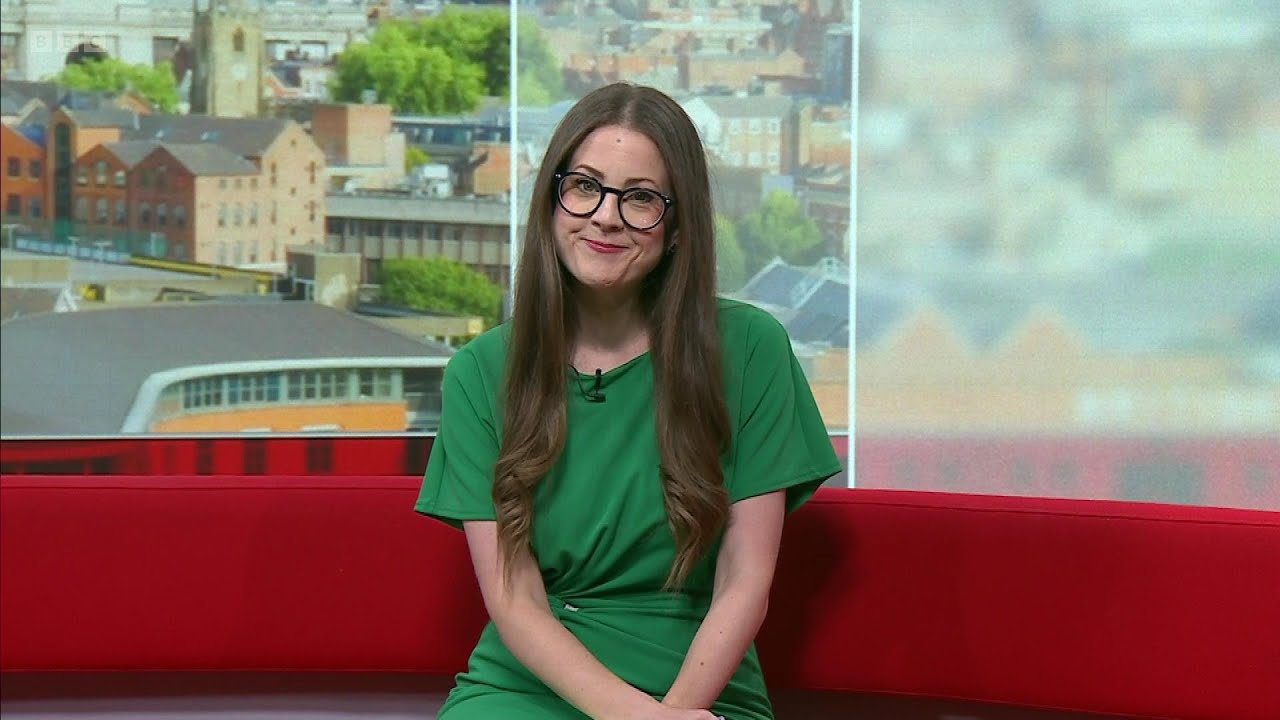
“Emma Judd” has become a point of interest for people searching about journalists and media professionals who appear in broadcast and regional news environments. In modern journalism, reporters and presenters often become familiar faces to audiences, especially those who regularly follow television news, regional updates, and digital reporting platforms.
Emma Judd is associated with journalism and media work, a field where professionals play a key role in gathering information, reporting events, and communicating news to the public. As audiences increasingly consume news across television and online platforms, curiosity about the individuals behind the reporting has grown significantly.
Who Is Emma Judd?
Emma Judd is a name linked with journalism and broadcast media, where professionals are responsible for reporting news stories, conducting interviews, and presenting information to the public in a clear and accurate manner.
Journalists like Emma Judd typically work across multiple formats, including:
- Television news reporting
- Field reporting
- Interview-based journalism
- Regional news coverage
Their work is essential in delivering timely and relevant information to audiences, particularly at the local and regional level where community-focused stories are important.
While national journalists often gain widespread recognition, regional reporters like Emma Judd play an equally important role in ensuring that local communities remain informed about events that directly affect their daily lives.
The Role of a Journalist in Modern Media
Journalism is a profession built on communication, accuracy, and responsibility. Professionals in this field are expected to perform several key tasks.
Reporting News
Journalists gather facts about events and present them in a structured and understandable format.
Researching Information
Before publishing or broadcasting a story, journalists must verify details and ensure accuracy.
Conducting Interviews
Speaking with sources such as experts, officials, and members of the public helps build a complete picture of a story.
Writing and Presenting Stories
Journalists turn information into news reports that can be shared across television, online platforms, or print media.
Covering Breaking News
When unexpected events occur, journalists must respond quickly while maintaining accuracy and professionalism.
Emma Judd’s association with journalism places her within this fast-paced and demanding professional environment.
Why Journalists Like Emma Judd Attract Attention
In the past, journalists worked largely behind the scenes. However, with the rise of television and digital media, they have become more visible to the public.
Several factors contribute to growing interest in journalists:
Regular On-Screen Appearance
Viewers often see journalists frequently, which creates familiarity over time.
Digital Media Exposure
News clips, and social media increase visibility.
Interest in Media Careers
Many people are curious about how journalists build their careers and what their work involves.
Local Relevance
Regional journalists often report on stories that directly affect local communities, increasing audience connection.
Human Curiosity
People naturally want to know more about individuals they see regularly in trusted media roles.
These factors together explain why names like Emma Judd attract increasing search interest.
Career Path in Journalism
A journalism career usually develops through education, training, and practical newsroom experience.
Education
Many journalists study subjects such as:
- Journalism
- Media and communication
- English
- Politics
- History
- Sociology
These subjects help develop strong writing, research, and analytical skills.
Early Career Steps
Journalists often begin their careers in entry-level roles such as:
- News assistant
- Junior reporter
- Production assistant
- Digital content writer
These roles help build foundational experience.
Career Growth
With experience, journalists may progress to positions such as:
- Broadcast reporter
- Senior journalist
- Presenter
- Editor
- Producer
Emma Judd’s professional association with journalism reflects this structured career pathway commonly found in media industries.
Daily Responsibilities of a Journalist
Journalists work in a dynamic environment where no two days are the same.
A typical workday may involve:
- Attending editorial meetings
- Researching news stories
- Travelling to report from locations
- Interviewing people on the scene
- Writing scripts for broadcast or publication
- Editing news content
- Delivering live reports
This variety makes journalism both challenging and engaging.
Journalists must often adapt quickly to breaking news situations, requiring strong decision-making skills and the ability to work under pressure.
Skills Required in Journalism
To succeed in journalism, professionals like Emma Judd need a wide range of skills.
Communication Skills
Clear speaking and writing are essential for delivering news effectively.
Research Ability
Journalists must gather accurate information from reliable sources.
Interviewing Skills
Asking the right helps uncover important details in a story.
Time Management
Strict deadlines require efficient planning and organization.
Adaptability
News stories can change rapidly, requiring flexibility.
Attention to Detail
Accuracy is crucial in maintaining credibility and trust.
These skills are developed through experience and continuous practice.
Importance of Regional Journalism
Regional journalism plays a critical role in informing local communities.
Unlike national news, regional reporting focuses on:
- Local government updates
- Community events
- Education and schools
- Transport and infrastructure
- Weather conditions
- Public services
This type of journalism ensures that people stay informed about issues that directly affect their lives.
Journalists like Emma Judd contribute to this important area of media by helping deliver local news coverage.
The Changing Media Landscape
The journalism industry has changed significantly due to digital technology.
Today, news is delivered through:
- Television broadcasts
- Online news websites
- Mobile apps
- Social media platforms
- Video streaming services
This shift has increased both the speed of news delivery and the visibility of journalists.
As a result, media professionals are now more recognizable than ever before, leading to greater public interest in their work and identities.
Challenges in Journalism
While journalism is rewarding, it also involves several challenges.
Tight Deadlines
News must often be produced quickly and accurately.
Unpredictable Work Hours
Journalists may work early mornings, late nights, or weekends.
Emotional Reporting
Some stories involve sensitive or difficult topics.
Public Scrutiny
Journalists can receive public feedback or criticism.
Fast-Paced Environment
Breaking news situations require immediate action and clear thinking.
Despite these challenges, many journalists find the profession fulfilling due to its impact on society.
Storytelling in Journalism
At the heart of journalism is storytelling. Even factual reporting must be structured in a way that is engaging and easy to understand.
Good journalism includes:
- Clear narrative structure
- Balanced reporting
- Accurate facts
- Human context
- Logical flow of information
Journalists like Emma Judd help turn complex events into understandable stories for audiences.
Trust and Responsibility in Journalism
Trust is essential in media. Audiences rely on journalists to provide accurate and fair reporting.
Journalists are responsible for:
- Verifying facts
- Avoiding misinformation
- Maintaining neutrality
- Reporting ethically
Without trust, journalism cannot function effectively.
Emma Judd’s role within this field reflects the importance of accuracy and responsibility in media work.
Why Journalism Matters Today
Journalism continues to play a vital role in modern society by:
- Keeping the public informed
- Reporting important events
- Supporting transparency
- Highlighting community issues
- Strengthening democratic awareness
Without journalists, access to reliable information would be significantly reduced.
Public Curiosity About Journalists
It is natural for audiences to become curious about the people they see in the media. Over time, familiarity leads to interest in their backgrounds and careers.
However, journalists primarily focus on reporting news rather than becoming public figures. Their main responsibility is communication, accuracy, and storytelling.
The growing interest in Emma Judd reflects this broader trend of audience engagement with media professionals
The Future of Journalism
Journalism continues to evolve with technology and changing audience habits.
Future trends include:
- Increased digital reporting
- Greater use of video journalism
- Social media integration
- Data-driven storytelling
- Faster news delivery systems
Despite these changes, the core values of journalism—accuracy, fairness, and clarity—remain unchanged.
Professionals like Emma Judd will continue to play an important role in adapting to these developments.

Conclusion
“Emma Judd” reflects growing interest in journalism and the professionals who deliver news to the public. Associated with the media and reporting world, Emma Judd represents the modern journalist working in a fast-paced, information-driven environment.
Journalists play a crucial role in gathering facts, reporting events, and communicating information clearly and responsibly. Their work helps keep communities informed and ensures that important stories reach the public.