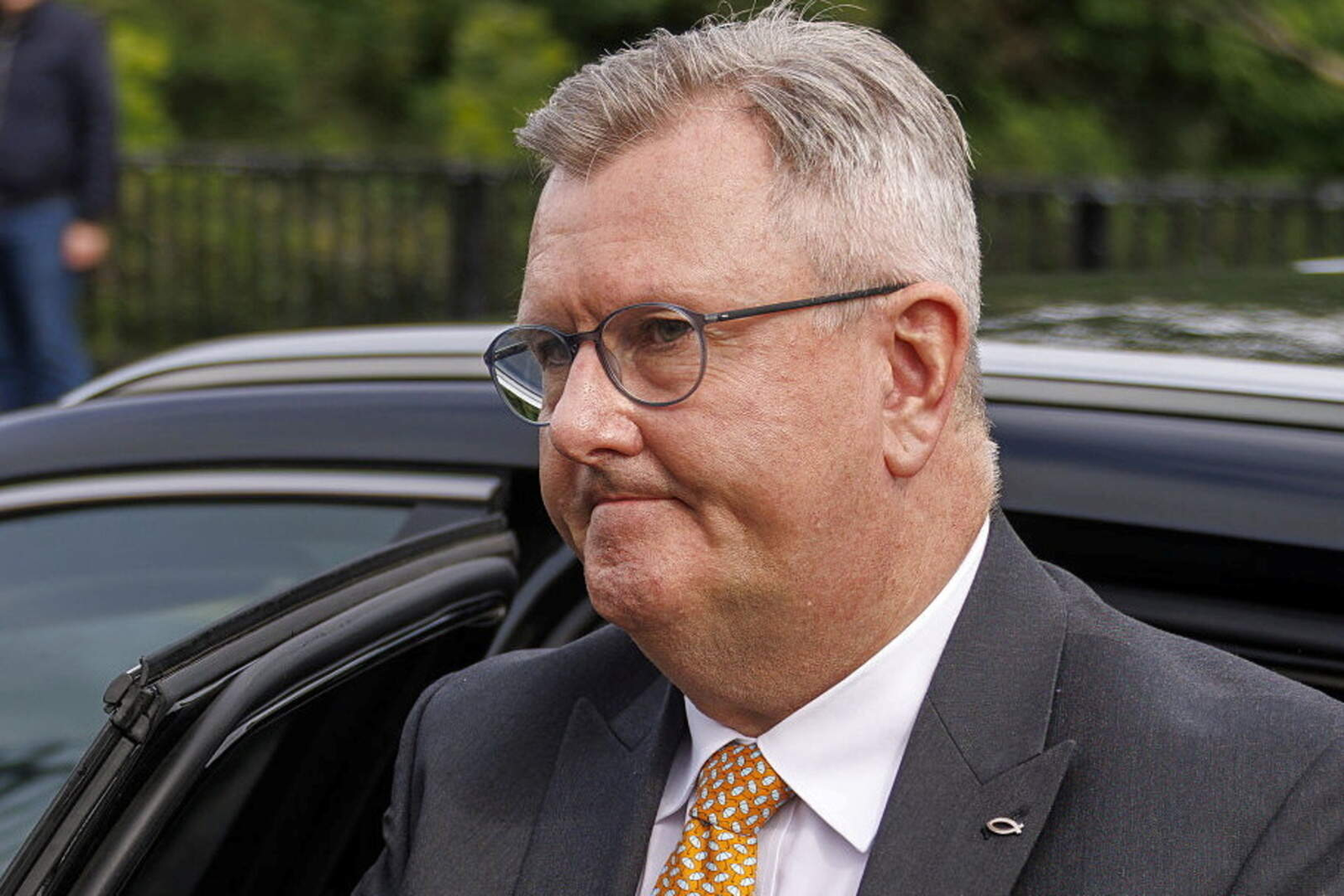
Jeffrey Donaldson is one of the most prominent and controversial figures in modern Northern Irish politics. For decades, he played a central role in unionist politics, representing constituents in Westminster and helping shape debates surrounding Northern Ireland’s constitutional future. His political career spanned more than three decades, during which he became a key voice within unionism and eventually rose to lead the Democratic Unionist Party (DUP).
In recent years, however, jeffrey donaldson public image underwent a dramatic transformation. Legal proceedings, criminal charges, and subsequent convictions brought an abrupt end to a political career that had once placed him among the most influential unionist leaders in Northern Ireland. The story of Jeffrey Donaldson is therefore not only about political leadership but also about power, public trust, accountability, and the lasting impact of criminal convictions on political legacies.
This article explores Jeffrey Donaldson’s background, political journey, leadership of the DUP, role in Brexit-related negotiations, legal controversies, criminal case, and the broader implications of his downfall.
Early Life and Background of Jeffrey Donaldson
Jeffrey Donaldson was born on December 7, 1962, in Northern Ireland. Growing up during a period marked by political conflict and sectarian tensions, he experienced firsthand the social and political challenges that defined the region throughout the latter half of the twentieth century. These formative experiences played a significant role in shaping his political views and commitment to unionism.
Donaldson became politically active at a relatively young age. His early involvement in public affairs reflected a strong belief in maintaining Northern Ireland’s place within the United Kingdom. Like many unionist politicians of his generation, he emerged during a period when constitutional questions dominated political discourse. His interest in politics soon evolved into a long-term career that would place him at the center of major political developments.
Before achieving national prominence, Donaldson built connections within local political organizations and community networks. His reputation as a committed unionist activist helped him establish a political foundation that later enabled him to secure elected office and become a recognizable figure across Northern Ireland.
Entry into Politics and Rise Within Unionism
Jeffrey Donaldson first entered mainstream politics through the Ulster Unionist Party (UUP), which was historically one of the dominant political forces within unionism. During the 1980s and 1990s, he steadily gained influence and developed a reputation as a determined advocate for unionist interests.
His political profile expanded significantly when he was elected to public office and became involved in key debates concerning Northern Ireland’s future. Throughout this period, Donaldson emphasized constitutional unionism, security issues, and the importance of maintaining strong links with the United Kingdom. His speeches and public appearances often focused on defending unionist concerns during a rapidly changing political landscape.
As political negotiations intensified during the peace process, Donaldson became known as a politician willing to challenge party leadership when he believed unionist principles were at stake. These disagreements eventually contributed to major shifts in his political affiliations and career trajectory.
Transition from the UUP to the Democratic Unionist Party
One of the defining moments in Jeffrey Donaldson’s political journey came when he left the Ulster Unionist Party and joined the Democratic Unionist Party. The move reflected broader divisions within unionism regarding the implementation of political agreements and the future direction of Northern Ireland.
Donaldson opposed aspects of the Good Friday Agreement and frequently voiced concerns about concessions made during the peace process. His disagreements with UUP leadership became increasingly difficult to reconcile, leading him to align himself with the DUP, a party that had traditionally adopted a more skeptical approach toward certain political settlements.
The transition significantly enhanced Donaldson’s political influence. The DUP was becoming the dominant force within unionism, and Donaldson’s experience, public profile, and parliamentary knowledge made him a valuable addition. His arrival strengthened the party’s position and helped consolidate support among unionist voters.
Parliamentary Career and Influence at Westminster
Jeffrey Donaldson served for many years as a Member of Parliament representing the constituency of Lagan Valley. His tenure in Westminster made him one of Northern Ireland’s longest-serving MPs and provided him with a prominent platform for advancing unionist interests.
Throughout his parliamentary career, Donaldson participated in debates concerning constitutional matters, security policies, Brexit, and the relationship between Northern Ireland and the rest of the United Kingdom. He often presented himself as a defender of Northern Ireland’s place within the Union and advocated policies designed to strengthen those ties.
His influence extended beyond constituency representation. As a senior unionist figure, Donaldson frequently engaged with British governments, party leaders, and policymakers. His ability to navigate complex political negotiations contributed to his reputation as one of the most experienced politicians in Northern Ireland.
Leadership of the Democratic Unionist Party
In 2021, Jeffrey Donaldson became leader of the Democratic Unionist Party, marking the peak of his political career. The party was experiencing internal challenges, leadership changes, and growing pressure from voters concerned about post-Brexit arrangements affecting Northern Ireland.
As DUP leader, Donaldson sought to restore stability and unity within the party. He emphasized the need to protect Northern Ireland’s constitutional position and opposed trade arrangements that many unionists believed created barriers between Northern Ireland and Great Britain. His leadership focused heavily on constitutional issues and the practical consequences of Brexit.
Donaldson’s tenure as leader attracted significant media attention. Political commentators viewed him as a pragmatic figure capable of balancing internal party demands with broader political realities. His experience in Westminster and Stormont gave him substantial credibility among many DUP supporters.
Jeffrey Donaldson and the Brexit Debate
Brexit became one of the most important issues of Donaldson’s leadership. The withdrawal of the United Kingdom from the European Union created complex challenges for Northern Ireland, particularly regarding trade arrangements and border regulations.
Donaldson argued that certain aspects of the Northern Ireland Protocol undermined the region’s place within the United Kingdom. He consistently campaigned against arrangements that he believed treated Northern Ireland differently from other parts of the country. His criticism resonated with many unionist voters who feared economic and constitutional consequences.
The negotiations surrounding the Windsor Framework and related agreements placed Donaldson at the center of national political discussions. He engaged with the UK government while attempting to secure changes that would address unionist concerns. These efforts significantly shaped public perceptions of his leadership and political priorities.
Legal Allegations and Political Resignation
In March 2024, Jeffrey Donaldson’s political career entered a period of unprecedented turmoil when allegations of historical sexual offenses emerged. His arrest and subsequent charges generated widespread media coverage and immediate political consequences across Northern Ireland and the United Kingdom.
Following the announcement of the charges, Donaldson resigned as leader of the Democratic Unionist Party and was suspended from party membership. The resignation ended his leadership abruptly and created uncertainty within the DUP at a politically sensitive time. Gavin Robinson later assumed leadership responsibilities as the party sought to move forward.
The allegations attracted intense public attention due to Donaldson’s high-profile status and lengthy political career. Court proceedings, legal hearings, and trial preparations became major news stories, with developments closely monitored by political observers and the public alike.
Trial, Conviction, and Criminal Findings
The criminal proceedings against Jeffrey Donaldson culminated in a high-profile trial that attracted significant attention throughout Northern Ireland and beyond. Prosecutors presented allegations involving historical offenses spanning multiple years and involving two complainants.
In June 2026, a jury at Newry Crown Court found Donaldson guilty of multiple sexual offenses, including one count of rape, thirteen counts of indecent assault, and four counts of gross indecency involving two victims who were children at the time of the offenses. The offenses covered a period extending from the mid-1980s through 2008. Donaldson denied the allegations during the proceedings but was convicted on all counts.
The verdict represented one of the most dramatic falls from political prominence in modern Northern Irish history. Following the conviction, Donaldson was taken into custody while awaiting sentencing. The court indicated that a substantial prison sentence was likely, reflecting the seriousness of the offenses.
Public Reaction and Impact on Northern Irish Politics
The conviction triggered strong reactions across the political spectrum. Political leaders, community organizations, and commentators expressed shock at the findings and emphasized support for the victims who had come forward to testify. Many observers described the case as a profound breach of public trust by a politician who had occupied positions of significant authority and influence.
The Democratic Unionist Party moved quickly to distance itself from its former leader. Senior figures publicly condemned the offenses and stressed that Donaldson’s actions were incompatible with the values the party sought to represent. The case also prompted wider discussions about accountability, safeguarding, and the responsibilities of public officials.
Beyond immediate political consequences, the conviction influenced broader public conversations about abuse survivors, criminal justice processes, and institutional responses to historical allegations. Many commentators noted the courage required for victims to participate in lengthy legal proceedings involving a powerful political figure.
Legacy of Jeffrey Donaldson
Assessing Jeffrey Donaldson’s legacy is a complex task because it involves two dramatically different narratives. For many years, he was viewed as a leading unionist politician who played an important role in Northern Ireland’s political development. His parliamentary service, leadership within unionism, and involvement in major constitutional debates ensured that he occupied a prominent place in modern political history.
However, the criminal convictions fundamentally altered public perceptions of his life and career. Achievements that once defined his reputation became overshadowed by findings of serious criminal wrongdoing. In the aftermath of the verdict, Donaldson requested the forfeiture of his knighthood and resigned from the Privy Council, further symbolizing the collapse of a once-distinguished public career.
Today, Jeffrey Donaldson is remembered both as a significant figure in Northern Irish politics and as a former political leader whose convictions transformed how his career is viewed. His story serves as a powerful reminder that public prominence does not place individuals beyond accountability and that trust, once broken, can permanently redefine a legacy.
Conclusion
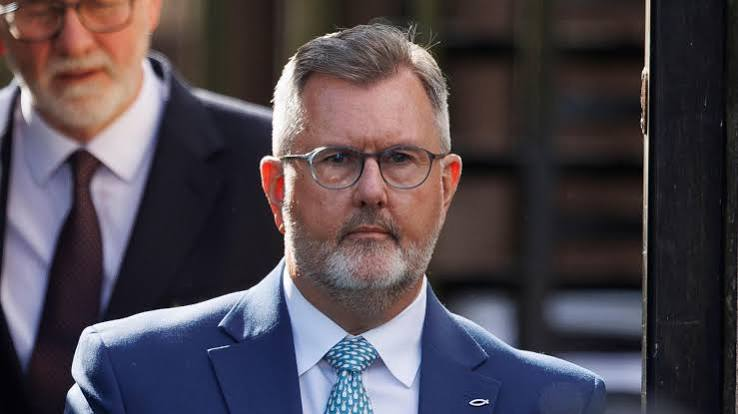
Jeffrey Donaldson life and career represent one of the most dramatic political stories in contemporary Northern Ireland. Rising from local political activism to become a Member of Parliament, senior unionist figure, and leader of the Democratic Unionist Party, he spent decades influencing political debates surrounding Northern Ireland’s constitutional future.
His involvement in Brexit discussions, unionist politics, and Westminster affairs ensured his place among the most recognizable political figures of his generation. Yet the criminal proceedings and convictions that emerged in the final chapter of his public life fundamentally changed how he is perceived and remembered.
As historians, political analysts, and the public continue to evaluate his impact, Jeffrey Donaldson’s story remains a case study in political influence, public trust, accountability, and the enduring consequences of criminal misconduct. His rise and fall will likely remain a significant subject in discussions about Northern Ireland’s political history for many years to come.