
Introduction
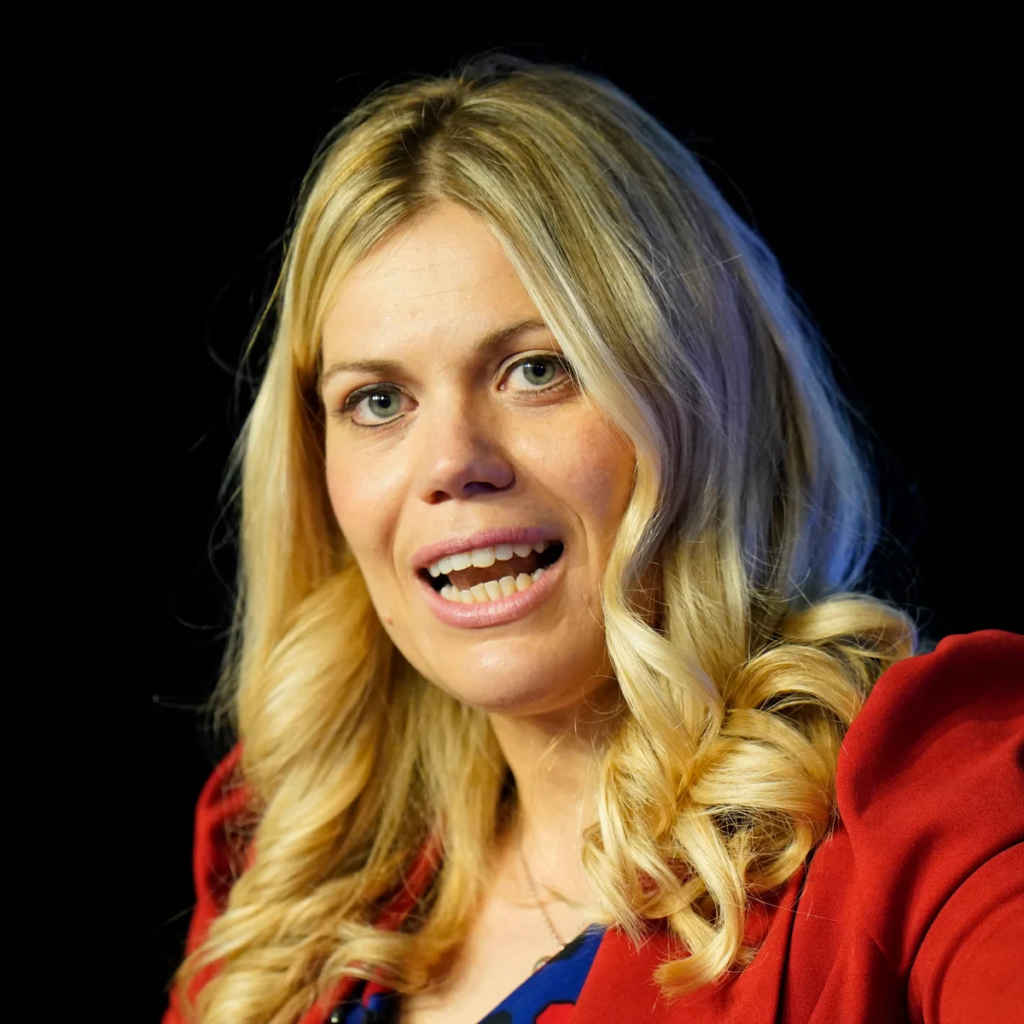
Miriam Cates is a British politician who became widely known through her work as a Member of Parliament (MP) and her outspoken views on a range of social, economic, and cultural issues. During her time in Parliament, she established a reputation as one of the more socially conservative voices within British politics. Her positions on education, family policy, demographic change, economic growth, and cultural values often generated significant public discussion.
Supporters have praised miriam cates willingness to address long-term societal challenges and defend traditional values, while critics have challenged many of her policy positions and public statements. Regardless of differing opinions, Miriam Cates has become an influential figure in modern British political debate, particularly among those interested in discussions surrounding family life, national identity, education, and social policy.
Early Life and Education
Miriam Cates was born and raised in England. Before entering national politics, she built a career in education, which significantly influenced her political priorities later in life.
Her academic background equipped her with analytical and communication skills that proved valuable in both teaching and political life. Working in schools allowed her to observe firsthand the challenges facing students, teachers, and families. These experiences contributed to her interest in education reform and policies designed to strengthen family support.
Throughout her early career, Cates demonstrated a strong interest in public service and community involvement. She believed education was one of the most important foundations for creating a successful society and often argued that schools should not only focus on academic achievement but also help develop character, responsibility, and resilience.
Professional Career Before Politics
Before becoming an MP, Miriam Cates worked as a science teacher and later became involved in educational leadership. Her teaching experience gave her practical insight into classroom management, curriculum development, and the everyday realities faced by students.
Beyond education, she also became active in local community initiatives. These experiences helped shape her understanding of public policy and encouraged her to become more involved in political life.
Many of the themes that later defined her parliamentary work—including support for families, education standards, and community development—can be traced back to her professional experiences before entering Parliament.
Entry into Politics
Miriam Cates entered politics through the Conservative Party. She became increasingly involved in local political activities before eventually seeking election to Parliament.
Her campaign emphasized several key priorities:
- Strengthening local communities
- Improving educational opportunities
- Supporting families
- Encouraging economic growth
- Protecting public services
- Addressing long-term demographic challenges
Her communication style was generally direct and policy-focused. She often argued that governments should think beyond short-term political cycles and instead develop strategies addressing issues likely to affect future generations.
Her message resonated with many Conservative supporters who favored socially conservative policies combined with economic responsibility.
Election to Parliament
Miriam Cates was elected as a Member of Parliament during the 2019 United Kingdom general election.
Her election formed part of a significant political shift in several constituencies that traditionally supported other political parties. The Conservative Party secured a substantial parliamentary majority, allowing many first-time MPs, including Cates, to begin their parliamentary careers.
As an MP, she represented the interests of her constituents while participating in national debates on legislation, government policy, and public spending.
She quickly became known as someone willing to speak openly about subjects that many politicians approached more cautiously.
Parliamentary Career
Focus on Family Policy
One of the defining aspects of Miriam Cates’ parliamentary work was her emphasis on strengthening family life.
She frequently argued that stable families contribute positively to:
- Children’s development
- Educational success
- Mental health
- Economic productivity
- Community stability
According to her perspective, governments should create policies that make it easier for families to thrive.
She often encouraged policymakers to consider the long-term social effects of legislation rather than focusing solely on immediate economic outcomes.
Education Policy
Education remained one of her strongest interests throughout her political career.
Drawing from her experience as a teacher, Cates advocated for:
- High academic standards
- Discipline in schools
- Strong science education
- Teacher support
- Greater parental involvement
She argued that schools should equip students with both knowledge and life skills necessary for adulthood.
Her educational views emphasized responsibility, aspiration, and equal opportunities for students regardless of background.
Economic Perspectives
Although often associated with social policy, Miriam Cates also commented on economic issues.
She supported policies designed to:
- Encourage business growth
- Increase productivity
- Improve employment opportunities
- Strengthen regional economies
- Promote innovation
She frequently highlighted the importance of sustainable economic planning and warned against relying solely on short-term financial measures.
Social and Cultural Views
Traditional Values
Perhaps the area where Miriam Cates attracted the greatest public attention was her support for traditional social values.
She argued that societies function best when strong institutions—such as families, schools, and local communities—work together.
Her speeches often focused on:
- Personal responsibility
- Community engagement
- Family stability
- Social cohesion
Supporters viewed these positions as an important defense of long-standing social institutions.
Critics, however, argued that some of her views did not adequately reflect the diversity of modern British society.
Demographic Issues
Cates also discussed demographic trends, including declining birth rates and aging populations.
She suggested these developments could create future challenges relating to:
- Workforce availability
- Economic growth
- Public finances
- Healthcare systems
- Pension sustainability
She encouraged policymakers to examine the long-term consequences of demographic change and consider family-friendly policies that might help address these issues.
These discussions generated significant public debate and attracted widespread media attention.
Public Speaking and Media Presence
Miriam Cates became known for delivering speeches that frequently sparked national discussion.
She regularly appeared in interviews, panel discussions, and parliamentary debates where she defended her policy positions.
Her communication style was generally:
- Clear
- Confident
- Direct
- Analytical
Because many of the topics she addressed were socially sensitive, media coverage often reflected sharply differing opinions.
Some commentators praised her willingness to discuss difficult issues, while others strongly disagreed with her conclusions.
Policy Priorities
Strengthening Communities
Cates often argued that healthy communities are built through cooperation among families, schools, businesses, charities, and local government.
She believed stronger communities could help reduce loneliness, improve wellbeing, and encourage civic participation.
Supporting Young People
She also emphasized helping younger generations prepare for adulthood through:
- Better education
- Career opportunities
- Skills training
- Stable family environments
Her speeches frequently highlighted the importance of giving young people both practical knowledge and moral guidance.
Long-Term National Planning
Another recurring theme was the need for governments to adopt long-term strategies rather than focusing only on immediate political concerns.
She believed issues such as housing, education, demographics, and economic productivity required decades of consistent planning.
Challenges and Criticism
Like many politicians, Miriam Cates faced criticism from political opponents, commentators, and advocacy groups.
Criticism generally centered on:
Social Policy Positions
Some critics argued her socially conservative positions did not fully reflect changing public attitudes.
Others believed certain policy proposals risked excluding or marginalizing sections of society.
Public Statements
Some speeches and interviews received significant media attention because of the language she used or the issues she raised.
Supporters argued that her comments encouraged important conversations.
Critics contended that some statements oversimplified complex social issues.
Political Polarization
Because she often addressed contentious subjects, reactions to her work tended to be strongly divided.
This polarization reflected broader debates occurring across British politics regarding identity, culture, education, and the role of government.
Support and Recognition
Despite criticism, Miriam Cates gained considerable support among individuals who appreciated her focus on:
- Family life
- Educational improvement
- Community values
- Long-term policymaking
- Social responsibility
Many supporters regarded her as a politician willing to challenge prevailing assumptions and raise about issues they believed deserved greater attention.
Her speeches often circulated widely online, contributing to discussions well beyond Parliament.
Influence Within the Conservative Party
Within the Conservative Party, Cates became associated with members interested in social conservatism.
She participated in discussions concerning:
- Family policy
- Cultural issues
- Economic resilience
- Education reform
Her contributions reflected an effort to broaden political debate beyond taxation and public spending by emphasizing the social foundations of national prosperity.
Leadership Style
Miriam Cates’ leadership style has often been described as thoughtful and values-driven.
Characteristics commonly associated with her approach include:
- Strong communication skills
- Policy-focused debate
- Willingness to discuss controversial issues
- Attention to long-term planning
- Emphasis on evidence and practical experience
Her background in education influenced her preference for explaining complex ideas in a structured and accessible way.
Legacy and Political Impact
Although opinions differ regarding her political positions, Miriam Cates has undoubtedly contributed to important public debates within the United Kingdom.
Her work encouraged discussion about:
- The future of family policy
- Education standards
- Demographic change
- Economic sustainability
- Community resilience
- Cultural identity
These subjects remain relevant to policymakers across the political spectrum.
Whether one agrees or disagrees with her conclusions, her willingness to engage with challenging issues ensured she became a recognizable figure in contemporary British politics.
Future Prospects
The future direction of Miriam Cates’ political career will depend on evolving political circumstances, party priorities, and electoral outcomes.
Given her experience, public profile, and policy interests, she is likely to remain involved in discussions concerning education, family policy, and broader social issues.
Observers continue to view her as a politician whose contributions reflect a particular strand of conservative thinking that emphasizes long-term societal wellbeing alongside economic development.
Conclusion
Miriam Cates has established herself as a distinctive voice in British politics through her emphasis on education, family life, community strength, and long-term policy planning. Her background as a teacher shaped many of her priorities, while her parliamentary career brought national attention to debates surrounding social values, demographic trends, and cultural change.
Throughout her time in public life, she has attracted both strong support and significant criticism. Admirers see her as a principled politician willing to address difficult issues, whereas critics challenge aspects of her social and political agenda. Regardless of perspective, her influence on contemporary political debate is evident.