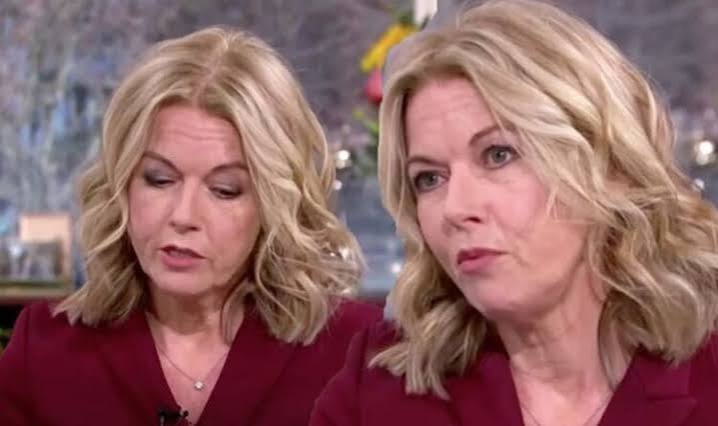
Mary Nightingale is one of the most familiar faces on British television, known for presenting ITV Evening News and delivering important news stories with a calm and professional style. Over the years, viewers have become familiar with her distinctive voice, clear pronunciation, and confident presentation. However, some people have searched online for “Mary Nightingale voice change” after noticing what they believe are differences in the sound or delivery of her voice. This has led to questions about whether she has experienced a voice problem or a health issue. While viewers may notice changes in a television presenter’s voice, it is important to separate personal observations from confirmed information. There is no publicly confirmed medical diagnosis that explains a lasting voice change in Mary Nightingale.
Mary Nightingale Quick Facts
| Detail | Information |
|---|---|
| Full Name | Mary Nightingale |
| Profession | Journalist and television presenter |
| Known For | Presenting ITV Evening News |
| Nationality | British |
| Workplace | ITV News |
| Career Field | Broadcast journalism |
| Famous For | Clear and professional news presentation |
| Voice Concern | Viewers have discussed possible changes in her voice |
| Confirmed Voice Diagnosis | No publicly confirmed diagnosis explaining a lasting change |
| Television Career | Several decades in broadcasting |
| Public Profile | Known for maintaining a professional presence on television |
| Current Career | Associated with ITV Evening News |
1. Why Are People Searching for Mary Nightingale Voice Change?
Mary Nightingale has presented major news stories for many years, making her voice familiar to a large television audience. When viewers listen to the same presenter regularly, they often become accustomed to particular qualities, including pitch, tone, pronunciation, and speaking rhythm. Even a small difference can attract attention because people remember how the presenter sounded during previous broadcasts. This familiarity helps explain why searches related to Mary Nightingale’s voice have attracted interest online. mary nightingale voice change.
The phrase “Mary Nightingale voice change” does not necessarily mean that a serious medical problem has occurred. It may simply reflect viewers’ curiosity about how her voice sounds in particular broadcasts. Television presenters speak in different environments, cover emotionally difficult stories, and work under demanding schedules. Their voices may sometimes sound slightly different from one programme to another. Without reliable information from the presenter or her representatives, it would be inaccurate to identify a particular cause for an apparent change. mary nightingale voice change.
Online searches can also grow when a topic is discussed on social media. One viewer may mention that a presenter sounds different, and others may begin looking for an explanation. As more people search for the same phrase, it can appear that a confirmed story exists even when there is no verified announcement. Therefore, it is important to approach discussions about Mary Nightingale’s voice carefully and avoid treating speculation as established fact. mary nightingale voice change.

2. Who Is Mary Nightingale?
Mary Nightingale is a respected British journalist and television news presenter best known for her work with ITV News. She has spent a significant part of her professional life reporting and presenting important national and international stories. Her role requires more than reading information from a screen. A television news presenter must communicate complicated developments clearly, maintain composure during breaking news, and help viewers understand events that may be confusing or emotionally difficult.
Her presenting style is recognised for its measured delivery and professional tone. These qualities have helped make her a familiar figure for viewers who regularly watch ITV Evening News. News presenters develop a distinctive way of speaking through experience, preparation, and repeated practice. They learn to control their pace, pronounce names correctly, and maintain clarity while delivering information under pressure. mary nightingale voice change.
Because Mary has worked in broadcasting for many years, audiences have had plenty of opportunities to become familiar with her voice. That familiarity can make viewers more attentive to any perceived difference in her delivery. However, being a recognisable presenter does not mean that every change in vocal tone has a medical explanation. Voice quality can vary naturally, and a viewer’s impression alone cannot establish whether a health condition is present. mary nightingale voice change.
3. Has Mary Nightingale Confirmed a Voice Problem?
One of the most important questions surrounding the topic is whether Mary Nightingale has publicly confirmed a medical condition affecting her voice. There is no publicly confirmed diagnosis that establishes the reason for a lasting voice change. This means that claims suggesting she has a particular illness or vocal disorder should not be presented as facts without reliable confirmation. mary nightingale voice change.
When information about a public figure’s health is not available, it is better to acknowledge that limitation than to fill the gap with assumptions. A change in the way someone sounds can have several explanations, and a recording or television appearance cannot reliably identify the underlying cause. Even trained medical professionals generally need a proper assessment before diagnosing a persistent voice problem. mary nightingale voice change.
The absence of a public diagnosis does not prove that a person has never experienced temporary vocal discomfort. People can experience ordinary voice strain or other short-term changes without making a public announcement about them. However, there is a difference between acknowledging that temporary changes are possible and claiming that Mary has experienced a specific medical condition. Responsible reporting should preserve that distinction. mary nightingale voice change.
4. Can News Presenting Affect a Person’s Voice?
Television journalism can place considerable demands on a person’s voice. Presenters may need to speak for extended periods, deliver live updates, introduce interviews, and respond to breaking developments with little preparation time. Their work can require consistent volume, clear pronunciation, and controlled breathing, particularly when a programme is broadcast live. mary nightingale voice change.
Repeated speaking can sometimes contribute to vocal fatigue. A person who has been talking for many hours may notice that their voice feels tired, sounds rougher, or becomes less comfortable to use. Dry air, insufficient hydration, a respiratory infection, or other everyday factors can also affect how a voice sounds. These are general possibilities, not confirmed explanations for Mary Nightingale’s voice. mary nightingale voice change.
Broadcasting also requires presenters to adapt their delivery to the subject they are covering. A serious report may call for a slower, more restrained tone, while a different story may be introduced with a slightly different rhythm. Changes in emphasis and pacing can influence how viewers perceive a presenter’s voice, even when there is no underlying vocal problem. mary nightingale voice change.
5. Could Stress or Emotional Reporting Affect Her Voice?
Journalists sometimes report events involving tragedy, conflict, disasters, and personal loss. Presenting such stories can be emotionally demanding, particularly when a journalist must remain composed while discussing distressing circumstances. Stress may also affect breathing patterns, muscle tension, and the way someone speaks. These general factors can influence vocal delivery, although they do not establish that stress is responsible for any particular person’s voice change. mary nightingale voice change.
Mary Nightingale has worked through major news events during her career, including periods when the news agenda was especially difficult. Viewers may remember broadcasts in which presenters sounded more emotional or spoke with a different rhythm than usual. Such moments can reflect the seriousness of the story, the demands of live broadcasting, or other circumstances that are not necessarily related to a lasting voice problem. mary nightingale voice change.
However, emotional strain should not be treated as a confirmed explanation for Mary Nightingale’s current voice. There is no publicly confirmed evidence establishing that stress caused a lasting change in her voice. Without a clear statement from her or reliable medical information, it is more accurate to explain that emotional reporting can affect presenters generally while leaving her individual circumstances unconfirmed. mary nightingale voice change.

6. Common Reasons a Voice May Sound Different
A person’s voice can change temporarily for many reasons. A cold or another respiratory infection may cause hoarseness, while allergies and irritation can affect the throat. Speaking for long periods without enough rest may also leave the voice sounding tired. In some people, acid reflux can contribute to throat irritation or voice symptoms. These possibilities vary from person to person, and only an appropriate assessment can help determine the cause of a persistent problem. mary nightingale voice change.
The sound of a voice is also influenced by factors beyond a person’s physical condition. Microphone placement, studio acoustics, audio processing, and television sound settings can affect how a broadcast reaches the audience. A viewer listening through a television speaker may hear a different balance of sound than someone using headphones. Changes in recording quality can therefore create the impression that a person’s voice has become deeper, softer, rougher, or less clear. mary nightingale voice change.
Age can bring gradual changes in vocal quality as well, but it would be inappropriate to attribute Mary Nightingale’s voice to age without evidence. People age differently, and voice changes cannot be explained by age alone. In her case, the available public information does not establish a particular cause. General explanations should therefore remain possibilities rather than conclusions about her health.
7. Has Mary Nightingale Continued Her Television Career?
Mary Nightingale remains widely associated with ITV Evening News, the programme that has made her a familiar presence in British broadcasting. Her career reflects the importance of clear communication and consistency in television journalism. Presenters must be able to explain complex developments while maintaining an even pace and helping viewers follow the news. mary nightingale voice change.
A discussion about someone’s voice does not, by itself, demonstrate that the person is unable to work or that their career has been affected. Television audiences may notice differences between broadcasts, but those observations cannot establish whether a presenter has a health problem or needs treatment. It is therefore important not to confuse online interest in Mary Nightingale’s voice with evidence of a professional difficulty. mary nightingale voice change.
Her established public role is one reason people are interested in her presentation style. Viewers often follow familiar journalists over many years and naturally notice changes in appearance, delivery, or tone. Nevertheless, career information and health information are different matters. Any statement about a specific illness or its effect on her work would require reliable confirmation rather than assumptions based on how a broadcast sounds. mary nightingale voice change,
8. Why Online Rumours About Her Voice Should Be Treated Carefully
Search engines and social media can quickly spread questions about the health of television personalities. A short clip may be shared without its original context, or a viewer’s personal interpretation may be repeated as though it were a confirmed report. When that happens, a simple question about a person’s voice can develop into a much larger rumour.
The difficulty is that voice changes are not specific to one condition. A person may sound different because of temporary irritation, fatigue, speaking style, recording quality, or other factors. A clip alone cannot distinguish between these possibilities. Making a medical claim without reliable evidence can mislead readers and unfairly turn a private matter into public speculation.
Readers looking for information about Mary Nightingale should give priority to credible statements and established reporting. If she or an authorised representative shares information about her health, that would provide a clearer basis for understanding the situation. Until then, the most responsible conclusion is that some viewers have raised questions about her voice, but a lasting voice change and its cause have not been publicly confirmed.
9. What Should Readers Understand About Mary Nightingale Voice Change?
The main point is that public curiosity about Mary Nightingale’s voice should not be confused with a confirmed medical story. People may hear differences in tone, pitch, or clarity when watching television, but those impressions do not explain why a difference occurred. A reliable answer requires evidence that goes beyond a viewer’s observation or a social media discussion.
It is reasonable to explain the general factors that can affect a person’s voice, including vocal fatigue, infections, irritation, stress, and differences in audio recording. However, none of these possibilities should be described as the confirmed cause of Mary Nightingale’s voice. No publicly confirmed diagnosis currently establishes a lasting voice problem in her case.
The subject also highlights why responsible coverage of public figures matters. Journalists and presenters are recognisable because their work is seen and heard by large audiences, but that visibility does not make speculation about their health reliable. Readers can remain curious while still respecting the difference between verified facts and unconfirmed claims.

Conclusion
mary nightingale voice change has attracted online attention because viewers are familiar with her long-running work as a presenter on ITV Evening News. Some people believe they have noticed a difference in how she sounds, leading to searches about a possible voice change. However, there is no publicly confirmed medical diagnosis explaining a lasting change in her voice, and it would be misleading to claim that she has a particular illness without reliable evidence.
Many ordinary factors can influence how a voice sounds, including vocal fatigue, respiratory infections, emotional strain, and broadcast audio conditions. These are general explanations rather than confirmed details about Mary Nightingale. The most accurate approach is to focus on what is known, avoid spreading unsupported rumours, and recognise that an apparent change in a television presenter’s voice does not automatically indicate a serious health problem. Mary Nightingale remains known for her work in British television journalism, and any further claims about her voice should be considered carefully unless supported by credible public information.