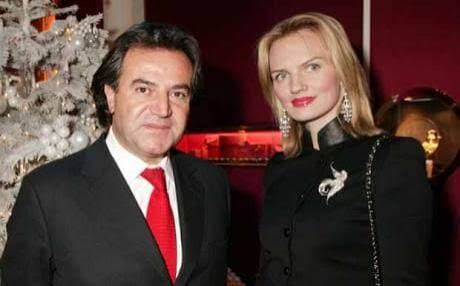
Simon Halabi is a Syrian-born British businessman and property developer who became widely known for his ambitious investments in London’s commercial property market. During the 2000s, he was regarded as one of Britain’s wealthiest property investors, with interests in prestigious buildings, luxury properties, and leisure businesses. His business portfolio included a stake in The Shard, one of London’s most recognisable skyscrapers, as well as the historic Mentmore Towers estate. However, the global financial crisis brought serious challenges to his business empire, leading to major asset sales, company insolvencies, and his personal bankruptcy in 2010. Simon Halabi‘s story remains a notable example of how rapid business expansion, borrowing, and changes in property markets can transform a wealthy investor’s financial position.
Simon Halabi Quick Facts
| Detail | Information |
|---|---|
| Full Name | Bassam Simon Halabi |
| Commonly Known As | Simon Halabi |
| Birth Date | August 1958 |
| Birthplace | Syria |
| National Background | Syrian-born British businessman |
| Profession | Businessman and property developer |
| Known For | Commercial property investment |
| Major Property Connection | The Shard, London |
| Historic Property Project | Mentmore Towers |
| Former Business Interest | Esporta fitness clubs |
| Wife | Urte Halabi, according to published biographical accounts |
| Children | Two sons, Samuel and Jacob |
| Peak Reported Net Worth | Approximately US$4.3 billion in 2007 |
| Financial Setback | Personal bankruptcy declared in 2010 |
| Current Net Worth | No reliable, publicly verified figure available |
| Industry | Real estate and property investment |
1. Who Is Simon Halabi?
Simon Halabi, whose full name is Bassam Simon Halabi, is a businessman who became prominent through large-scale property investments in the United Kingdom. Born in Syria in August 1958, he developed his business interests with support from his family and later established himself in the competitive British property market. His rise attracted attention because of the size of his investments and the valuable commercial buildings associated with his portfolio. simon halabi.
Halabi became particularly well known during the property boom of the early and mid-2000s. At that time, investors were increasingly interested in major London office buildings, prestigious locations, and large development opportunities. Halabi pursued investments that involved significant capital and ambitious plans, helping him build a reputation as a major figure in the property industry. His name became associated with buildings and projects that attracted considerable attention from business journalists and property professionals. simon halabi.
His career, however, was not a simple story of uninterrupted success. The same period that brought him substantial wealth also involved financial risks, borrowing, and ambitious expansion. When economic conditions deteriorated, his businesses faced serious pressure. Understanding Simon Halabi’s background therefore requires looking at both his achievements and the financial difficulties that later reshaped his public profile. simon halabi.
2. Early Life and Family Background
Simon Halabi was born in Syria into a family with established business interests. His father was a successful businessman who reportedly helped support his early ventures. Family resources and commercial experience can provide an important starting point for entrepreneurship, especially in industries such as property investment where large amounts of capital may be needed before projects generate returns.
Property development requires more than purchasing buildings. Investors must evaluate locations, financing arrangements, potential rental income, maintenance costs, and future demand. Large projects may also involve negotiations with banks, lenders, tenants, architects, contractors, and public authorities. Halabi’s later portfolio showed an interest in high-value assets that required substantial financing and long-term planning.
Public information about his early personal life is limited compared with the details available about his business dealings. He has generally maintained a relatively private public profile, while media attention has focused more heavily on his property investments, wealth, financial difficulties, and legal history. Consequently, claims about his private upbringing or personal motivations should be treated cautiously unless supported by reliable information.
3. How Simon Halabi Built His Property Business
Halabi’s rise was closely connected to the British commercial property market. During the 1990s and early 2000s, London attracted investors seeking office buildings, prime real estate, and properties in locations with strong business demand. Commercial buildings could offer rental income as well as the possibility of capital appreciation if their market values increased.
His investment approach involved acquiring substantial assets and building a portfolio around prominent properties. Rather than focusing only on small residential investments, he became associated with large commercial buildings and ambitious development plans. Such assets can attract corporate tenants and institutional investors, but they also require considerable financial resources. Borrowing may allow a developer to control a larger portfolio than would otherwise be possible, although it also increases exposure to interest costs and falling property values.
Halabi’s rapid expansion brought him considerable recognition. By 2007, he had reached a high position on wealth rankings, reflecting the estimated value of his investments at that time. However, estimates of a property investor’s fortune are not necessarily the same as cash available in a bank account. Much of a developer’s wealth may be tied to buildings, shares in companies, and assets whose values can change quickly when market conditions shift.
4. Simon Halabi and The Shard
One of the most recognisable projects associated with Simon Halabi is The Shard in London. The skyscraper stands near London Bridge and has become an important part of the city’s modern skyline. Its development attracted international attention because of its height, distinctive architecture, and prominent location in central London.
Halabi held a one-third interest in the development during the project’s earlier period. That investment contributed to his reputation as a major property investor and placed him among the business figures connected with one of London’s most ambitious building projects. The Shard was not simply an ordinary commercial property. It represented a major development undertaking involving complex financing, construction, planning, and long-term commercial expectations.
In January 2008, Halabi sold his one-third stake for approximately £30 million. Reports at the time indicated that the interest had been valued much more highly only months earlier. The sale illustrated how quickly the perceived value of a property investment could change as financial conditions weakened. Although The Shard continued as a major London landmark, Halabi’s reduced involvement formed part of the wider changes affecting his property portfolio during the financial crisis.
5. Mentmore Towers and Other Major Property Investments
Another prominent property connected with Halabi was Mentmore Towers, a historic country house in Buckinghamshire, England. The Grade I listed mansion is known for its grand architecture and historical significance. Halabi acquired the property in 1997 and developed plans to transform it into a luxury hotel, with the ambition of creating a destination offering an exceptionally high level of service.
The proposal reflected his interest in turning distinctive properties into commercially valuable developments. Historic buildings can attract visitors and investors, but converting them into modern hotels is often complicated. Developers must balance preservation requirements with the practical needs of accommodation, facilities, access, and maintenance. Such projects can require substantial spending before a property begins generating income.
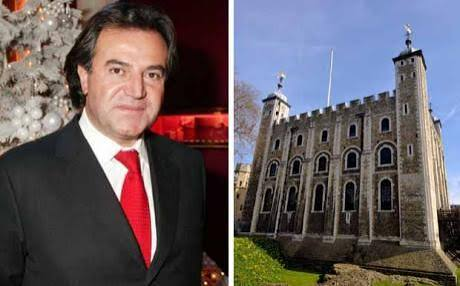
The Mentmore Towers project encountered difficulties as Halabi’s finances came under pressure. Planned development work was reduced, and the building became associated with concerns about its condition and the lack of progress. The situation demonstrated the challenges of managing an expensive historic property during a period of financial instability. Halabi was also associated with other prestigious London properties, including Cambridge House in Piccadilly and buildings in the White Tower portfolio. These investments illustrated the scale and variety of his earlier property interests.

6. Simon Halabi Net Worth at His Peak
Simon Halabi’s wealth reached its reported high point during the property boom of the mid-2000s. Forbes listed him at number 194 on its 2007 global billionaires ranking, estimating his fortune at approximately US$4.3 billion. He was also ranked among Britain’s wealthiest individuals in contemporary rich lists, reflecting the estimated value of his commercial property holdings and other business interests.
These figures should be understood as historical estimates rather than a statement of his present-day wealth. Property fortunes are often calculated by assessing ownership stakes, company assets, property valuations, and financial liabilities. If the value of buildings increases, an investor’s estimated net worth may rise even if the investor has not sold those assets. Similarly, falling prices and increasing debt can reduce a fortune significantly.
In 2009, Forbes estimated Halabi’s wealth at approximately US$2.8 billion, showing a substantial decline from the earlier reported figure. Even that estimate belonged to a period when the financial crisis was changing property markets around the world. There is no reliable, publicly verified current net worth figure that can be confidently presented as his wealth in 2026. It is therefore more accurate to describe his peak reported fortune and subsequent financial difficulties than to assign him an unsupported present-day valuation.
7. Financial Crisis, Debt, and Bankruptcy
The global financial crisis of 2008 created difficult conditions for property investors. Commercial property values fell in many markets, lenders became more cautious, and refinancing became harder for businesses carrying large debts. Investors who had expanded rapidly during the boom faced pressure when the value of their assets no longer supported their previous financing arrangements.
Halabi’s property companies experienced significant financial difficulties during this period. In June 2009, his group of property companies defaulted on bonds worth approximately US$1.9 billion, with the debt secured against a portfolio of London properties. Falling property values placed further pressure on the businesses, while creditors sought to protect their interests. Asset sales and insolvency proceedings followed as parts of the portfolio came under financial strain.
On 1 April 2010, Halabi was declared bankrupt by the High Court in London. This marked a dramatic change for a businessman who had previously appeared on global billionaire lists. His experience illustrates the difference between possessing valuable assets and having the financial capacity to meet debt obligations when payments become due. It also shows how leverage can magnify both gains and losses in a property market. Bankruptcy does not erase the history of earlier commercial achievements, but it does represent a major turning point in a person’s financial affairs.
8. Family Life, Wife, and Children
Simon Halabi’s family life has received less public attention than his business career. Published biographical accounts identify his wife as Urte Halabi, who is described as Lithuanian-born. The couple have been reported to have two sons, Samuel and Jacob. However, detailed information about their private family life is limited, and claims about their current relationship status should not be made without reliable confirmation.
A tragic event in the family occurred in August 2003, when their son Samuel died in a swimming pool accident in France. This loss was reported in connection with the family’s personal history. Such circumstances are separate from Halabi’s commercial activities, although they form part of the publicly reported background of his life. It is important to discuss the subject respectfully and avoid adding unsupported details about the family’s experience.
His other son, Jacob, has generally maintained a private profile in public coverage of his father’s career. Overall, available information about the family is relatively limited. Readers searching for Simon Halabi’s wife, children, or family background should distinguish between established biographical details and claims that have not been publicly verified.
9. Legal Controversies and Public Reputation
Simon Halabi’s public reputation has also been shaped by legal matters separate from his property investments. Published reporting records that he was convicted of sexual assault in France in 1998 and received a suspended prison sentence. Later reporting examined how the conviction had not been linked to his business identity for many years. The case became a significant part of the public discussion surrounding his background.
In a separate matter, Halabi faced a UK court case following allegations arising from an incident involving a refuse worker in London in 2015. He denied the allegations and was acquitted of racially aggravated assault in December 2016. It is important to distinguish that separate acquittal from the earlier French conviction rather than treating different legal proceedings as though they were the same case.
These events became part of the wider coverage of Halabi’s life, alongside his financial decline and business dealings. His story shows that a public figure’s reputation can be influenced by several different areas, including commercial decisions, financial outcomes, and legal history. A balanced biography should describe these matters accurately and avoid sensational claims or assumptions beyond the established record.
Conclusion
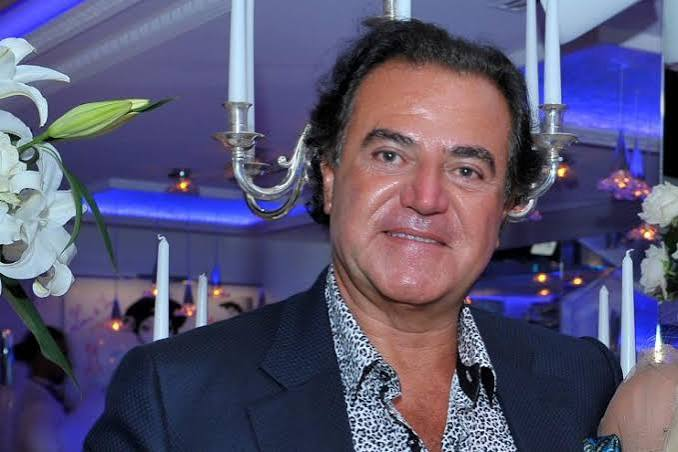
Simon Halabi became one of the most prominent property investors associated with London’s commercial real estate boom. His portfolio included a stake in The Shard, the historic Mentmore Towers estate, and other valuable properties. At the height of his wealth, Forbes estimated his fortune at approximately US$4.3 billion in 2007, placing him among the world’s richest individuals.
His financial circumstances changed dramatically when the global financial crisis placed pressure on property values, borrowing, and company finances. Defaults, asset sales, insolvency proceedings, and his bankruptcy in 2010 marked the end of that period of extraordinary expansion. His personal life and legal history have also contributed to public interest in his biography. Today, his precise net worth is not reliably established in public information. Simon Halabi’s career remains a reminder that large property portfolios can create significant wealth, but they can also carry considerable financial and reputational risks.